What are you looking for?
Search

Caring For Your Fine Jewellery
Jewellery Care
Your fine jewellery pieces are both financial and emotional investments. Caring for your diamond, gemstone, and pearl jewellery will keep it looking great and ensure it will last for generations.
Basic Jewellery Care
All fine jewellery needs proper care. While certain pieces may need select care, most jewellery should be cared for using the following basics:
Sunlight ‐ Like the sun damages skin, heat and light can damage certain gemstones. Too much sunlight can fade or damage amethyst and topaz. Pearls can bleach and peel if exposed to too much sun. Certain other gems, like opal, can darken if exposed to too much light—store jewellery in a dark pouch or jewellery case to remove any doubt.
Chemicals – Exposure to common everyday household chemicals, like ammonia or bleach, can damage metals and gemstones. Even chemicals worn on the body – like hairspray, perfumes and lotions – can affect metals and dull gemstones. To keep your jewellery looking new, it's best to put on any perfumes, lotions or hairspray BEFORE putting on jewellery. And it's always wise to remove fine jewellery before swimming or using any household cleaners.
Treated Gemstones – Many gemstones today have been treated and need special care. All treatments should be disclosed at the time of purchase. Heat, steam, ultrasonic cleaners, and certain solvents may negatively affect treated gemstones. Follow instructions from your jeweller to keep your treated gemstone jewellery looking sparkling.
Ultrasonic Cleaners – While ultrasonic cleaners are great for cleaning metals, diamonds and certain gemstones, they should not be used in the following circumstances:
Sunlight ‐ Like the sun damages skin, heat and light can damage certain gemstones. Too much sunlight can fade or damage amethyst and topaz. Pearls can bleach and peel if exposed to too much sun. Certain other gems, like opal, can darken if exposed to too much light—store jewellery in a dark pouch or jewellery case to remove any doubt.
Chemicals – Exposure to common everyday household chemicals, like ammonia or bleach, can damage metals and gemstones. Even chemicals worn on the body – like hairspray, perfumes and lotions – can affect metals and dull gemstones. To keep your jewellery looking new, it's best to put on any perfumes, lotions or hairspray BEFORE putting on jewellery. And it's always wise to remove fine jewellery before swimming or using any household cleaners.
Treated Gemstones – Many gemstones today have been treated and need special care. All treatments should be disclosed at the time of purchase. Heat, steam, ultrasonic cleaners, and certain solvents may negatively affect treated gemstones. Follow instructions from your jeweller to keep your treated gemstone jewellery looking sparkling.
Ultrasonic Cleaners – While ultrasonic cleaners are great for cleaning metals, diamonds and certain gemstones, they should not be used in the following circumstances:
- On organic gems like pearls, coral or ivory.
- Any gemstones that have been fracture‐filled with oil, resin or glass. For instance, most emeralds are fracture‐filled and should not be cleaned with an ultrasonic cleaner.
- Gems that have been coated. For instance, Mystic Fire Topaz has been finished with an azotic coating and should not be cleaned in an ultrasonic cleaner.
- Certain heat‐treated gemstones.
- Any gemstones susceptible to heat or temperature changes, like tanzanite, iolite, opal, etc., should not be cleaned in an ultrasonic cleaner.
Safe and Easy Cleaning Methods
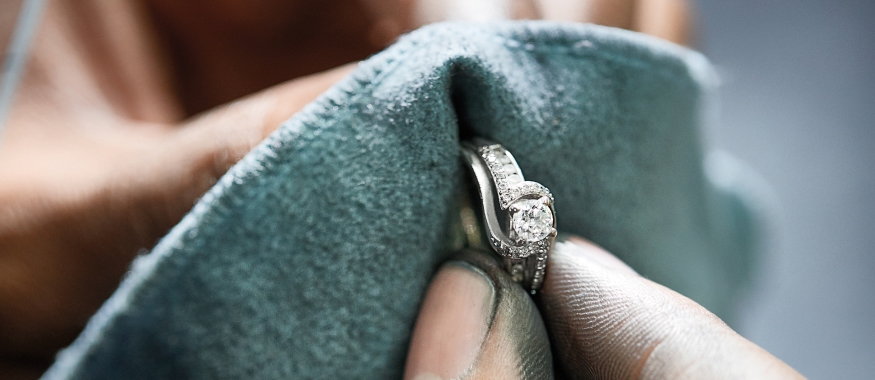
Gemstones and diamonds can easily be cleaned with warm water, mild dish soap, and a soft brush. Place your jewellery in a bowl of warm, soapy water and rinse thoroughly. Then, dry your piece with a lint‐free cloth.
Softer gems, like pearls, can be scratched easily. Clean your pearls with a soft brush in warm, slightly soapy water. Rinse thoroughly and lay your pearls to dry on a towel or chamois. Since silk thread will stretch, letting the pearls sit until the strand is completely dry is best.
Softer gems, like pearls, can be scratched easily. Clean your pearls with a soft brush in warm, slightly soapy water. Rinse thoroughly and lay your pearls to dry on a towel or chamois. Since silk thread will stretch, letting the pearls sit until the strand is completely dry is best.
Storing Your Fine Jewellery
Proper storage of your fine jewellery pieces is essential. Diamonds, gemstones, and especially pearl jewellery should never be tossed into a drawer or box haphazardly as they may be scratched unintentionally.
Most jewellery pieces come in a lined box or pouch that is perfectly acceptable for storage. However, most people store their pieces in a jewellery box or valet.
Jewellery boxes with individual felt‐lined and padded slots for rings, necklaces and earrings will keep them organized, clean and safe. Some boxes are lined with anti‐tarnish cloth, perfect for storing sterling silver pieces.
Pearls and opals draw moisture from the air, so storing them in a safe or lockbox is not a good idea—store pearls separately in a compartmentalized jewellery box or a protective pouch. However, the best way to keep pearls looking new is to wear them. Pearls naturally absorb moisture from the air and oils from the skin, keeping them looking lustrous. The saying that ""pearls want to be worn"" is true!
With relatively minimal effort, your fine jewellery pieces can be cleaned, well‐cared for, safely stored and provide years and years of happy wear.
Most jewellery pieces come in a lined box or pouch that is perfectly acceptable for storage. However, most people store their pieces in a jewellery box or valet.
Jewellery boxes with individual felt‐lined and padded slots for rings, necklaces and earrings will keep them organized, clean and safe. Some boxes are lined with anti‐tarnish cloth, perfect for storing sterling silver pieces.
Pearls and opals draw moisture from the air, so storing them in a safe or lockbox is not a good idea—store pearls separately in a compartmentalized jewellery box or a protective pouch. However, the best way to keep pearls looking new is to wear them. Pearls naturally absorb moisture from the air and oils from the skin, keeping them looking lustrous. The saying that ""pearls want to be worn"" is true!
With relatively minimal effort, your fine jewellery pieces can be cleaned, well‐cared for, safely stored and provide years and years of happy wear.
Insuring your Fine jewellery
Whether you've paid $10,000 (or more) for a diamond engagement ring or $200 for a gemstone necklace, jewellery insurance protects its value from loss. You should insure any valuable jewellery – whether the value is in dollars and cents or emotional value. With appropriate coverage, jewellery insurance will repair or replace a covered piece due to loss or damage.
There are two specific options to consider when insuring your jewellery:
Renters or Homeowners Policy ‐ These policies cover jewellery theft up to a certain dollar limit, and you may not be covered for other losses like loss from a fire. You can usually purchase what's called "scheduled personal property coverage" which is an insurance policy extension that covers specific listed items.
Jewellery Insurance ‐ Jewellery insurance is a specific type of insurance that may cover loss due to theft as well as other damage. Premiums will vary based on use, where the jewellery is stored, the type of home you have and whether or not there is a security system. Coverage can cost as little as 1% to 2% of the jewellery's value to a bit more, depending on any number of different factors.
There are two specific options to consider when insuring your jewellery:
Renters or Homeowners Policy ‐ These policies cover jewellery theft up to a certain dollar limit, and you may not be covered for other losses like loss from a fire. You can usually purchase what's called "scheduled personal property coverage" which is an insurance policy extension that covers specific listed items.
Jewellery Insurance ‐ Jewellery insurance is a specific type of insurance that may cover loss due to theft as well as other damage. Premiums will vary based on use, where the jewellery is stored, the type of home you have and whether or not there is a security system. Coverage can cost as little as 1% to 2% of the jewellery's value to a bit more, depending on any number of different factors.
How To Insure Your Jewellery
First, get your jewellery appraised by a professional jewellery appraiser. For diamonds and gemstones, it's a good idea to find an appraiser that has been certified by a gemological lab, such as the GIA, EGL, ISI or AGS. You must usually have an appraisal report in hand prior to obtaining jewellery insurance.
Second, find out what jewellery coverage is included in your existing homeowners or renters policy. If the coverage is inadequate, you may need to add a jewellery addendum or purchase a separate policy. Some questions you should ask your agent include:
It is recommend that you have your covered jewellery reappraised every two to four years. Notify your insurance broker/agent of any changes to make certain that your coverage continues to reflect its fair market value.
Jewellery Repairs and Services
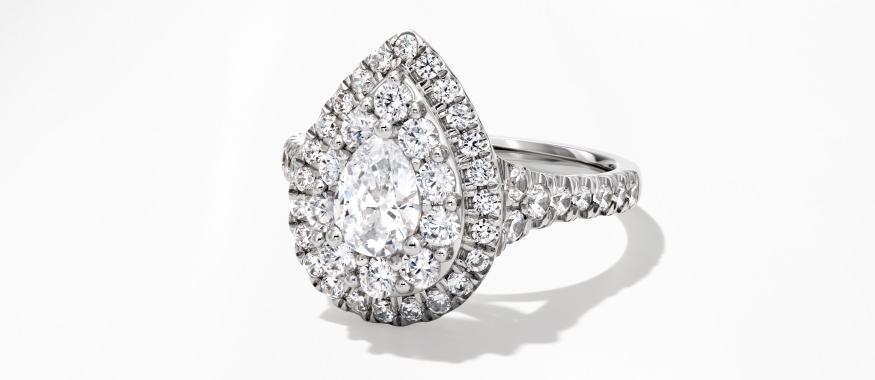
Keeping your fine jewellery looking great starts with regular inspection and cleaning. However, should your jewellery ever need repair or refurbishing, you can count on the craftsmen at Peoples to treat your piece carefully. Whether you need a simple clasp replacement or a complete mounting repair, we’ve got you covered. Some of the repairs and services we offer include:
- Ring resizing
- Clasp repair/replacement
- Prong retipping/repair
- Rhodium plating
- Chain soldering
- Prong replacement
- And more